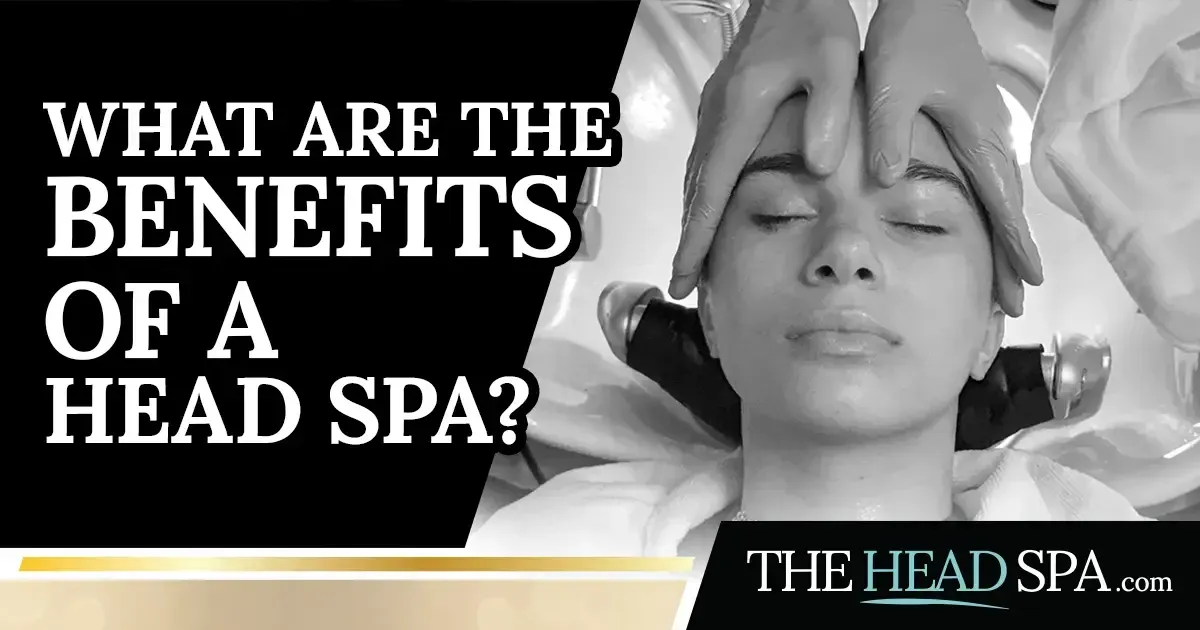
A head spa is a structured scalp and hair treatment that combines deep cleansing, exfoliation, targeted massage, and professional-grade nourishment to restore the conditions where healthy hair actually grows. The practice originates from Japanese wellness culture, where scalp care has been treated as a health discipline for decades. In the U.S., the concept has evolved from a relaxation ritual into a clinical service, and the difference between a basic version and a clinical one is significant.
Most descriptions online will tell you a head spa is "a facial for your scalp." That is not wrong, but it undersells what a proper session does. Your scalp is a living ecosystem. It maintains its own microbiome, regulates oil production, drains through lymphatic pathways, and feeds every follicle through a microvascular blood supply. A clinical head spa evaluates and restores that entire system, not just the surface.
What Happens During a He ad Spa Treatment?
The specifics vary depending on where you go, but a clinical session follows a structured protocol rather than improvising based on what feels good. At The Head Spa, every session moves through six steps.
Diagnostic screening
Before any product touches your scalp, a therapist examines your scalp under magnification. This Microscopic Scalp-Skin Screen reveals oil production patterns, mineral or product buildup, follicular health, signs of inflammation, and barrier integrity. The entire treatment plan builds from what the screen shows, not from a preset menu
Tier selection
You choose a service level based on how much time and how many treatments you want in one session. Options range from a 20-minute targeted reset to a full two-hour protocol that includes scalp therapy, facial restoration, therapeutic massage, and a precision blowout.
Add-on upgrades
Depending on what the screen reveals, your therapist may recommend layering on specific treatments. These could include follicle-stimulating serums, advanced enzyme facials, or a KERASTASE FUSIO REPAIR for deeper strand reconstruction.
The treatment itself
Your therapist works through the protocol: exfoliation to clear occlusive buildup, clinical-grade cleansing, targeted scalp and hair therapy, extended massage, and facial elements. Most clients fall asleep during this part. It is deeply relaxing, even though the purpose is clinical.
Home regimen
After the session, your therapist reviews the scalp screen findings and recommends products and tools for at-home maintenance. You leave with a written prescription outlining what to use and when. No guesswork between appointments.
Follow-up scheduling
Your therapist recommends a return schedule based on your scalp's current condition. Active inflammation might call for every two to four weeks. Long-term maintenance typically settles at every six to eight weeks.
Where did Head Spas Come From?
Head spas originated in Japan, where scalp care has been part of the wellness routine for decades. A traditional Japanese head spa focuses on relaxation through warm water, essential oils, scalp massage, and steam. The goal is as much mental as physical: stress relief, tension release, and a reset for the nervous system.
What has changed is the clinical layer. As trichology research and scalp diagnostics have advanced, the traditional Japanese format has been adapted with medical-grade products, magnified imaging, and evidence-based protocols. A modern clinical approach keeps everything people love about the Japanese experience (the massage, the sensory elements, the deep relaxation) and adds diagnostic precision so each session addresses what your scalp actually needs.
At The Head Spa, every visit includes facial care, therapeutic massage, and a professional blowout alongside the scalp therapy. The relaxation is real. The difference is that it is guided by what a microscope reveals, not by what seems nice.
Head Spa vs. Regular Scalp Treatment
A regular scalp treatment at a salon typically means a shampoo upgrade. You might get a brief massage, a conditioning mask, or a tea tree rinse. It feels nice. It does not evaluate your follicles, and it does not follow a structured protocol based on what your scalp actually needs.
A clinical session starts with a diagnostic evaluation. The therapist identifies specific concerns (congestion, inflammation, oil imbalance, follicular miniaturization) before selecting any products. The treatment itself is longer, more layered, and sequenced to address multiple systems: circulation, microbiome balance, inflammatory signaling, and barrier integrity. You leave with documented findings and a home care plan, not just softer hair.
The difference is comparable to a dentist visit versus brushing your teeth. One involves a professional assessment, targeted intervention, and a maintenance plan. The other is daily upkeep you do on your own.
Who Should Get a Head Spa?
Everyone with a scalp.
That sounds like a sales pitch, but the clinical reasoning is simple. Your scalp is aging faster than any other skin on your body. Hair follicles consume more nutrients, more oxygen, and more microvascular resources than skin anywhere else. That constant demand accelerates aging in scalp tissue long before you notice it on your face or hands.
When additional stressors layer on, whether hormonal shifts, stress, postpartum changes, rapid weight loss, chronic product layering, or environmental exposure, follicular decline compounds. By the time you notice thinning or shedding, the underlying ecosystem has been compromised for months.
Clinical scalp care is preventive maintenance. The same logic that makes regular dental cleanings non-negotiable applies to your scalp. You do not wait until a tooth hurts to see a hygienist. The same principle holds for follicular health.
That said, clients with specific concerns tend to see the fastest visible results. People dealing with excessive shedding, scalp irritation (itching, burning, flaking), noticeable thinning, dandruff, or chronic buildup from hard water or product layering tend to respond well to a structured treatment schedule.
Benefits of Regular Head Spa Treatments
Follicles thrive in low-inflammation, well-oxygenated environments. Consistent treatments support the conditions where hair grows the way it should. With regular sessions, clients report:
- Maintaining a healthy scalp ecosystem
- Reduced shedding and fallout
- Reduced dandruff and buildup
- Improved hair density
- Increased strand production
- Reduced scalp irritation (itching, burning)
- Improved strand strength and shine
- Stronger strand resilience
- Better results from home hair regimens
The therapeutic massage component does real work beyond relaxation. Releasing chronic tension in the neck, shoulders, and scalp improves circulation and promotes lymphatic drainage. Clients on a regular schedule report sleeping better and getting fewer tension headaches.
The facial elements included in higher-tier sessions address skin from the jawline up. Between the cleansing, hydration, and targeted treatments, visible improvements in skin texture and tone show up quickly.
Because every visit at The Head Spa begins and ends with microscopic imaging, progress is tracked and measurable.
How Much Does a Head Spa Treatment Cost?
Head spa pricing varies widely. A basic 30-minute session at some salons runs $50 to $80. A full clinical session with diagnostic imaging, multi-step treatment, facial care, and massage typically ranges from $100 to $300 or more, depending on the provider and the length of the visit.
At The Head Spa in Dallas, sessions are structured into four tiers:
- Pearl: $79 for 20 minutes. A targeted scalp detox and single KERASTASE FUSIO REPAIR. Built for a quick reset between full sessions.
- Sapphire: $149 for 50 minutes. The most popular first visit. Adds exfoliating scrub, hydration masks, heated pressure point massage, medical-grade facial cleanse, and a personalized hair tea.
- Emerald: $209 for 80 minutes. Everything in Sapphire plus LED follicle and collagen stimulation, professional hair repair, deep scalp massage, face-lifting massage, and a healing eye mask.
- Diamond: $289 for 120 minutes. The complete session. Includes a double KERASTASE FUSIO REPAIR, hyaluronic pore cleanse, advanced enzyme facial, cryo globe therapy, LED stimulation, and a blowout.
Every tier includes the Microscopic Scalp-Skin Screen and a written home regimen prescription. Membership plans reduce per-visit costs and include monthly add-on credits for clients on a regular maintenance schedule.
How to Prepare for Your First Head Spa
You do not need to do much. Come with your hair in its natural state. Do not wash it right before your appointment.
Your therapist needs to see your scalp's baseline oil production, buildup patterns, and product residue under the microscope. A freshly washed scalp hides the information the diagnostic screen is designed to capture.
Wear comfortable clothing. Sessions involve lying back on a treatment bed, and you will want to be relaxed. If you have specific concerns (shedding, irritation, a medication that affects your hair), mention them when you book or at the start of your visit so your therapist can factor them into the protocol
Expect to leave feeling relaxed and with noticeably different hair. If you book a tier that includes a blowout, plan to show it off. If you book Pearl or Sapphire, you will leave with wet hair in a ponytail or braids unless you add a blowout upgrade.
Frequently Asked Questions
How often should you get a head spa?
It depends on your scalp's current condition. Active inflammation or acute shedding typically calls for sessions every two to four weeks. Once the scalp stabilizes, most clients shift to every four to six weeks. Long-term maintenance usually settles at every six to eight weeks, similar to a dental cleaning schedule.
Is a head spa worth it?
If you care about the long-term health of your hair, yes. A single session will not fix a chronic scalp issue, but it will give you a clear picture of what is happening at the follicular level. Regular sessions address the root environment where hair grows. Clients who commit to a maintenance schedule consistently see improvements in density, shedding, and strand resilience.
Can a head spa help with hair loss?
A clinical head spa supports the scalp conditions that contribute to healthy hair growth. It is not a medical treatment for hair loss, and no reputable provider should claim otherwise. What it does is reduce inflammation, clear buildup that blocks follicles, improve circulation, and restore the microbiome balance that follicles need to function properly. Many clients see reduced shedding and improved density over time with consistent sessions.
Do head spas work for all hair types?
Yes. The protocols adapt to your specific scalp condition, not your hair type. Whether your hair is straight, curly, coily, fine, or thick, the scalp underneath has the same fundamental needs: clean follicles, balanced oil production, healthy circulation, and low inflammation. The products and techniques your therapist selects will vary, but the diagnostic approach works across all hair types and textures.
What is the difference between a head spa and a scalp massage?
A scalp massage is one component of a head spa, not the whole thing. A massage improves circulation and relieves tension, which is valuable on its own. A head spa includes the massage but also adds diagnostic imaging, exfoliation, clinical-grade cleansing, targeted treatments, and a structured home care plan. The two are related the way stretching is related to physical therapy: one is a single technique, the other is a full protocol.