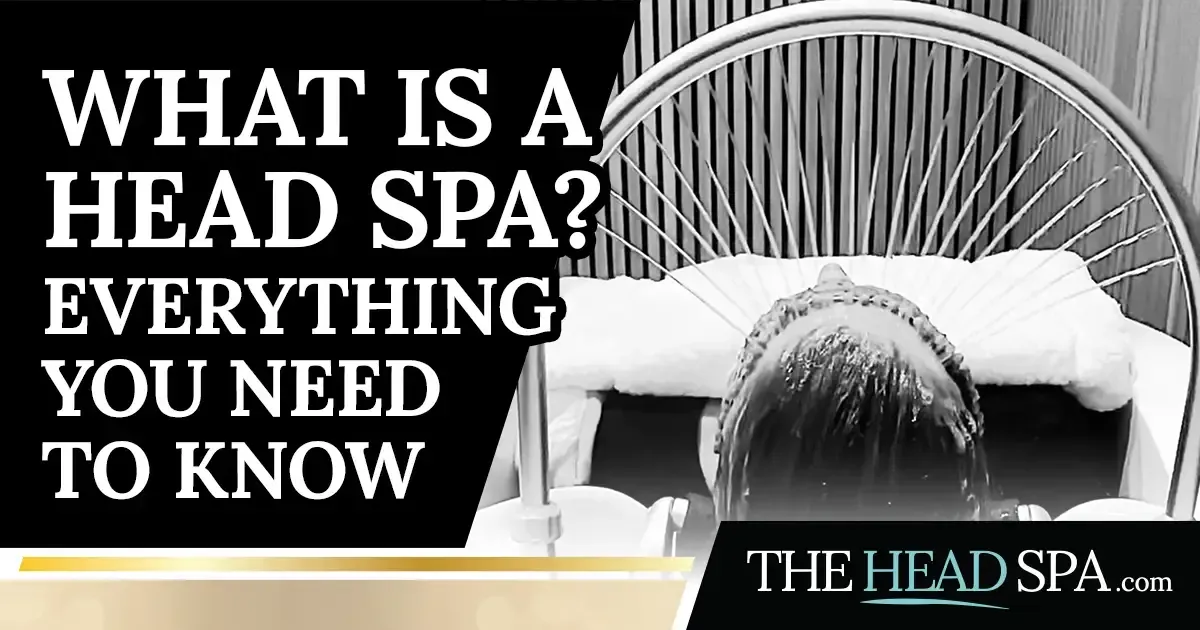
A scalp treatment is a targeted procedure that addresses the skin on your head the same way a facial addresses the skin on your face. It removes buildup, reduces inflammation, improves blood flow to hair follicles, and creates the conditions your hair needs to grow stronger. Think of it as maintenance for the environment where hair actually lives.
Most people spend hundreds of dollars a year on shampoos, serums, and supplements for their hair. Almost none of that attention goes to the scalp, which is where hair health starts. A scalp treatment corrects that blind spot.
Sophia Serrano, MPAS, PA-C, is the founder of The Head Spa
in Dallas. She holds a Physician Assistant degree from UT Southwestern Medical Center and brings over 20 years of clinical experience in vascular medicine and evidence-based aesthetics to scalp health.
How a scalp treatment actually works
Your scalp is an ecosystem. Hair follicles sit inside it, surrounded by sebaceous glands, blood vessels, nerve endings, and a microbiome of bacteria and fungi. When that ecosystem gets out of balance, follicles suffer. They miniaturize, enter resting phases too early, or stop producing hair altogether.
A professional scalp treatment works at the follicular level to restore that balance. The process typically involves several coordinated steps.
Diagnostic assessment comes first. At The Head Spa, every treatment begins with a microscopic analysis of your scalp. This is not guesswork. A high-magnification camera reveals what is actually happening: oxidized sebum clogging follicles, perifollicular inflammation, flaking, redness, or thinning density. The diagnosis determines the treatment, not the other way around.
Deep cleansing removes what daily shampooing leaves behind. Oxidized sebum, a waxy residue that accumulates around the follicle opening, does not dissolve with regular shampoo. Professional-grade enzymatic or exfoliating treatments break it down without stripping the scalp's protective barrier. Research published in the International Journal of Trichology has shown that this type of follicular buildup directly impairs hair growth cycles.
Targeted treatment application follows the cleanse. Depending on the diagnosis, this might include anti-inflammatory serums, antioxidant formulations, hydrating treatments, or growth-factor concentrates. The products used in a clinical setting penetrate differently than retail products because the scalp has been properly prepared.
Stimulation and circulation support is where the vascular component matters.
Scalp massage, LED light therapy, or steam treatments increase microvascular perfusion, which means more oxygen and nutrients reach the follicle. A 2016 study by Koyama et al. published in ePlasty found that standardized scalp massage increased hair thickness in participants over a 24-week period. The mechanism is mechanical stimulation of dermal papilla cells, the cells responsible for signaling hair growth.
Professional scalp treatments vs. at-home care
At-home scalp care is worth doing. Gentle exfoliating shampoos, scalp serums with salicylic acid, and regular massage all contribute to a healthier scalp environment. They are maintenance tools.
Professional scalp treatments are diagnostic tools. The difference is similar to brushing your teeth at home versus getting a dental cleaning. Both matter. They do different things. You would never skip the dentist because you own a toothbrush.
Here is where the gap gets specific. Retail scalp scrubs cannot remove oxidized sebum from inside the follicular opening. Over-the-counter serums cannot penetrate a scalp that has not been properly prepared. And no at-home tool gives you a magnified view of your own scalp to identify whether your issue is buildup, inflammation, dryness, or early-stage thinning. You are treating symptoms without a diagnosis.
A professional treatment at a
head spa
adds the diagnostic layer. You learn what is actually happening on your scalp, receive treatment calibrated to your specific condition, and leave with a protocol for maintaining the results between appointments.
At-home products work better after a professional treatment, too. Once oxidized buildup is cleared and the scalp barrier is stabilized, topical products absorb more effectively. This is why many clients notice their existing hair products suddenly performing better after their first professional session.
Who should get a scalp treatment
Honestly, anyone with a scalp. But some people need professional scalp care more urgently than others.
If you are pulling more hair from your brush than usual, the follicular environment is almost always part of the equation. Telogen effluvium, a common form of stress-related shedding that can also be triggered by medications like GLP-1 drugs, responds well to treatments that reduce perifollicular inflammation and support the growth cycle back into its active phase.
Persistent flaking, itching, or dandruff that does not respond to drugstore shampoos is another strong signal. These symptoms point to a disrupted scalp microbiome or compromised moisture barrier. Cycling through different over-the-counter products without a diagnosis just delays the fix.
Heavy styling product users are often surprised by what shows up under the microscope. Dry shampoo, hairspray, and texturizing sprays leave residue that builds up over months. That layer of buildup sits on top of the follicle opening, restricts it, and changes the scalp's surface pH.
People undergoing medical hair loss treatments like minoxidil, finasteride, or PRP also get more from those interventions when the scalp environment supports absorption. If oxidized sebum is blocking follicular openings, topical treatments cannot reach their target. A scalp treatment clears the path.
Then there is the proactive camp. Prevention is easier than reversal. By the time hair loss becomes visible, approximately 50% of follicular density in that area has already been lost. Regular scalp treatments catch early warning signs through diagnostic imaging before they become visible problems.
How often should you get a scalp treatment
The short answer: it depends on your scalp's condition and goals.
For general maintenance, once per month works well. This mirrors the scalp's natural cell turnover cycle, which runs roughly 28 to 30 days. Monthly treatments keep buildup from accumulating to the point where it starts affecting follicle function.
For active scalp conditions like significant thinning, chronic inflammation, or recovery from a period of heavy shedding, a more intensive schedule makes sense. Many clinical protocols start with bi-weekly sessions for the first 8 to 12 weeks, then transition to monthly maintenance once the scalp stabilizes.
Think of it in phases. The initial treatment corrects accumulated damage. Follow-up sessions maintain the healthy environment.
A membership plan
can make consistent care more accessible and keep you on a regular schedule, which is where the real results compound.
The biggest mistake people make is treating scalp care as a one-time event. One treatment feels good and clears surface-level buildup, but lasting changes in hair density, thickness, and scalp comfort require consistent intervention over several growth cycles.
What to look for in a scalp treatment provider
Not all scalp treatments are equal. The quality gap between providers is wide, and the easiest way to spot it is whether the treatment starts with an assessment or a product.
A provider worth your time will look at your scalp before touching it. Microscopic imaging, a thorough intake about your health history, and a customized treatment plan based on what the assessment actually reveals. If you walk in and immediately get a generic "relaxation scalp massage" with no diagnostic step, that is a spa service, not a scalp treatment.
Clinical knowledge matters, too. Scalp health sits at the intersection of dermatology, trichology, and general medicine. Your provider should understand hair growth biology, know how systemic conditions affect the scalp, and be able to explain why they are choosing specific products and techniques for your situation rather than running the same protocol on every client.
Ask about ongoing monitoring. Providers who photograph your scalp at each visit and compare progression over months are doing evidence-based care. Providers who cannot show you objective improvement data are guessing. And pay attention to whether they send you home with a clear protocol. The 45 to 90 minutes in the treatment chair matter, but the 28 days between appointments matter more. You should leave with specific product recommendations, technique guidance, and realistic expectations for the timeline to visible changes.
Your scalp is the starting point
At
The Head Spa, treatments start a
t $79 for a 20-minute targeted session and range up to $289 for our comprehensive 120-minute Diamond tier. Every tier begins with a diagnostic screening because the assessment is the treatment's foundation, not an upsell. You can explore our full
treatment menu and pricing
to find the right entry point for your scalp's needs.
Frequently Asked Questions
What does a scalp treatment do for your hair?
A scalp treatment improves the environment where hair grows. By removing follicular buildup, reducing inflammation, and increasing blood flow to the dermal papilla, it supports stronger growth cycles. The hair itself benefits indirectly: better follicle health produces thicker, more resilient strands with improved shine and reduced breakage.
How long does a scalp treatment take?
Most professional scalp treatments take between 20 and 90 minutes depending on the level of care. A focused treatment addressing a specific concern may take 20 to 30 minutes. A comprehensive session that includes diagnostic imaging, deep cleansing, targeted treatment, massage, and LED therapy typically runs 60 to 120 minutes.
Can a scalp treatment help with hair loss?
A scalp treatment supports hair retention and regrowth by optimizing the follicular environment, but it is not a standalone hair loss cure. It works best alongside medical treatments like minoxidil or PRP by ensuring those products can actually reach and affect the follicle. For stress-related shedding or early thinning, regular treatments can meaningfully slow progression and support recovery.
Is a scalp treatment the same as a head spa?
A head spa
is a broader experience that typically includes a scalp treatment as its core component. Head spa sessions often add relaxation elements like extended massage, aromatherapy, and steam. A scalp treatment can be purely clinical and focused on a specific scalp condition. At The Head Spa, every head spa session includes a diagnostic scalp treatment because we believe the clinical component should never be optional.
How much does a scalp treatment cost?
Professional scalp treatments typically range from $50 to $300 depending on duration, products used, and the provider's expertise. At The Head Spa in Dallas, sessions range from $79 to $289 across four tiers, all of which include microscopic scalp analysis. A
membership
can reduce per-session costs for clients committed to ongoing care.